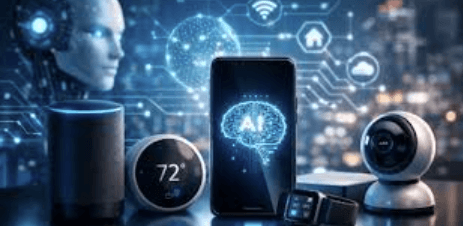
Smart devices reorganize daily tasks by automating routine steps and structuring environments for reduced cognitive load. From morning prompts to nightly wind-downs, they translate intention into action with modular controls and calibrated timing. Connected ecosystems ensure data flows across devices, sustaining consistent output without rigid enforcement. Yet the true value lies in how these tools balance autonomy with guidance, inviting ongoing assessment of gains and hidden costs as workflows evolve.
How Smart Devices Boost Daily Focus at Home and Work
Smart devices streamline attention by automating routine tasks and reducing cognitive load, enabling individuals to allocate mental resources to high-priority activities.
In homes and workplaces, smart lighting and task reminders structure environments to minimize distraction, supporting sustained focus.
This clarity fosters autonomy, enabling deliberate choices rather than reactive shifts, as users harness modular control over workflows, timing, and ambient cues for efficient productivity.
Automating Routines: From Morning Shuffles to Nightly Wind-Down
Rising from the groundwork of attention management, automating routines translates scattered daily motions into coherent sequences that unfold with minimal human input.
Morning automations streamline wake prompts, caffeine timing, and task queues, reducing decision fatigue.
Nightly wind downs serialize lights, devices, and reminders into a predictable close, fostering deliberate rest.
This approach preserves autonomy while embedding efficiency into everyday rhythms.
Smart Ecosystems: Syncing Devices for Consistent Productivity
Smart ecosystems connect devices across platforms to create a unified workflow, enabling consistent productivity without manual toggling.
By embracing smart synchronization and device interoperability, users gain seamless data flow, context awareness, and cross-device task continuity.
This approach reduces cognitive load, accelerates decision cycles, and preserves autonomy, as systems align behaviors while preserving freedom to choose when to intervene or adjust priorities.
Measuring Impact and Troubleshooting for Lasting Gains
Measuring impact and diagnosing issues are essential steps to sustain gains from integrated devices. The analysis focuses on objective metrics, equilibrium between efficiency and user autonomy, and the persistence of benefits after initial adoption. Troubleshooting signals illuminate misalignments in workflows, data quality, or integration fatigue. Ongoing measurement reinforces accountability, while proactive adjustments sustain momentum and ensure durable productivity improvements for freedom-minded users.
Frequently Asked Questions
How Do I Protect My Privacy With Smart Devices in Productivity Setups?
The answer emphasizes privacy controls and data minimization to protect users in productivity setups. By enabling robust privacy controls and practicing data minimization, individuals can preserve autonomy while leveraging smart devices for efficient workflows.
Can Smart Devices Help With Mental Health and Burnout Prevention?
Smart devices can support mental health and burnout prevention by monitoring stress sensors and guiding mindfulness routines, enabling timely rests and boundaries; this analytical approach allows individuals to reclaim autonomy while maintaining productivity without sacrificing well-being.
Which Devices Are Best for Improving Writing and Creative Tasks?
Smart devices best for writing and creative tasks include tablets with stylus support, smart notebooks, and AI-assisted writing apps. They optimize writing cadence and generate creative prompts, aiding focus, pacing, and freedom in ideation without overwhelming the writer.
See also: How Artificial Intelligence Is Supporting Healthcare Innovation
Do Smart Gadgets Reduce Screen Time or Increase It?
Smart device usage often fluctuates; some gadgets reduce screen time via automation, while others increase it through constant notifications. Overall, screen time dynamics hinge on user habits, device settings, and purposeful boundaries, influencing creative flow and personal autonomy.
How Can I Budget for a Comprehensive Smart-Home Productivity Upgrade?
A prudent approach uses budgeting basics to outline costs, timelines, and scope, enabling strategic selection of devices for core workflows. It evaluates productivity ROI, ensuring flexibility, scalability, and freedom to adjust, minimize waste, and maximize long-term efficiency.
Conclusion
Smart devices reduce cognitive load by automating routine decisions, enabling sharper focus on priority tasks. They coordinate routines, reminders, and environmental cues to create predictable contexts that minimize distractions while preserving autonomy. The result is a steadier workflow, not a rigid schedule, with seamless data flow across ecosystems that maintain consistency without stifling choice. Like a well-tuned orchestra, the smart setup delivers synchronized output; the cadence, not the baton, remains under user control. Continuous measurement ensures sustained productivity gains and timely troubleshooting.